
The region
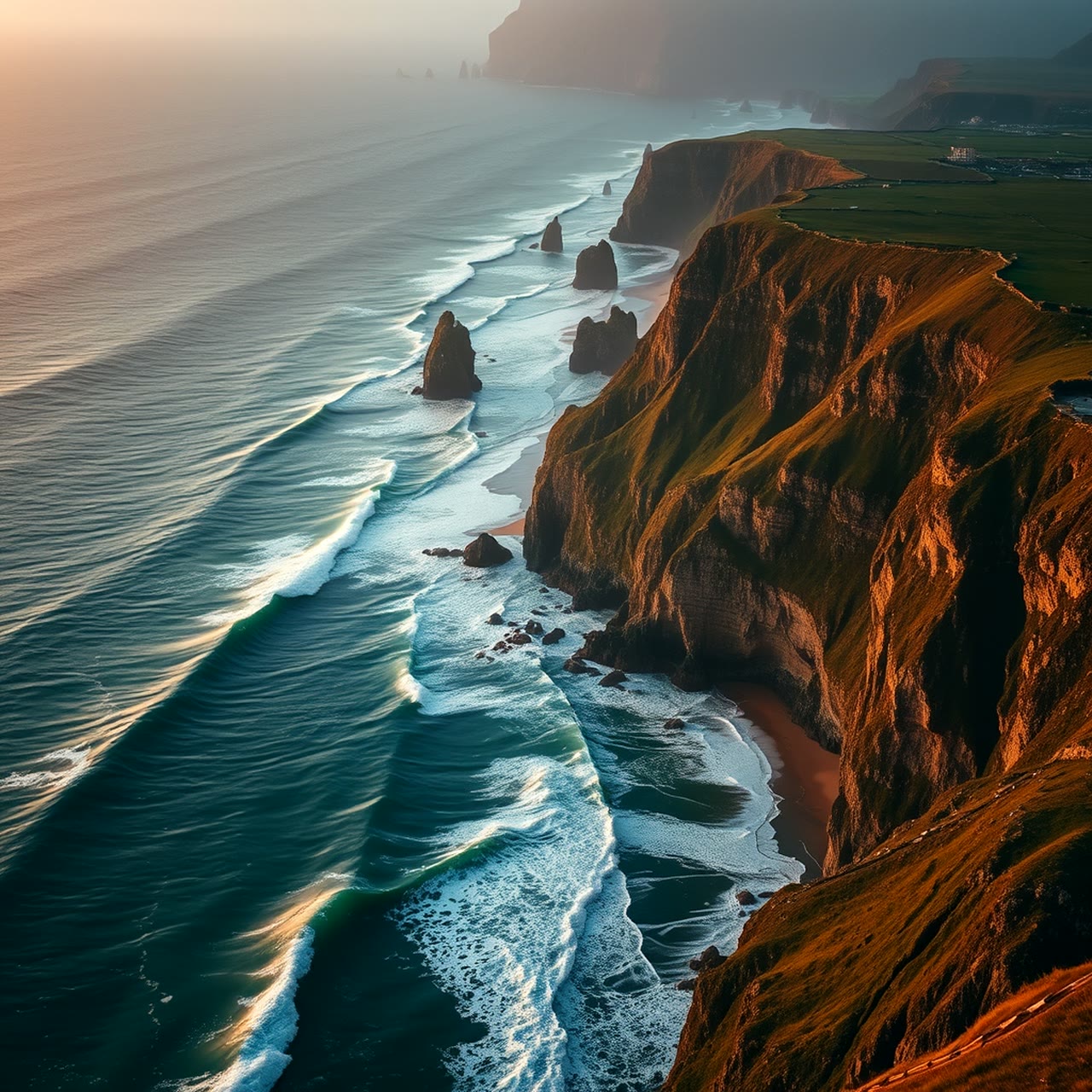
Portugal has several climates. This is the North’s.
Each part of the country has its own temperament, and the right one depends entirely on how you want to live. This page sets out what the North offers — in figures rather than adjectives.
Portugal is not one climate. The Atlantic north, the Lisbon coast and the Alentejo each have a character of their own, and each suits a different life. There is no single right answer — only the one that fits you.
Fortune Residence builds in the North: the coastline of Vila Nova de Gaia and the Douro Valley. What follows is what that means in practice — the figures behind the region, what a temperate ocean climate offers an active life, and what it means for your health as the years pass.
Three addresses
Porto, Cascais, Comporta — three coastal temperaments
Cascais, Comporta and the North are three compelling options, each with a temperament of its own. What the North brings to the set is greenery all year round, gentler summers and a climate without extremes.
-
The Lisbon Riviera
Cascais
Warm, bright summers and a regular cool nortada wind from June to September. Golf, marinas and a year-round social scene, half an hour from the capital.
-
The Alentejo coast
Comporta
Warm and luminous — inland, August maxima reach 29–33°C. A landscape of rice fields, pine forest and dunes, with a pronounced, dry summer season and a quiet, low-built character.
-
The green North
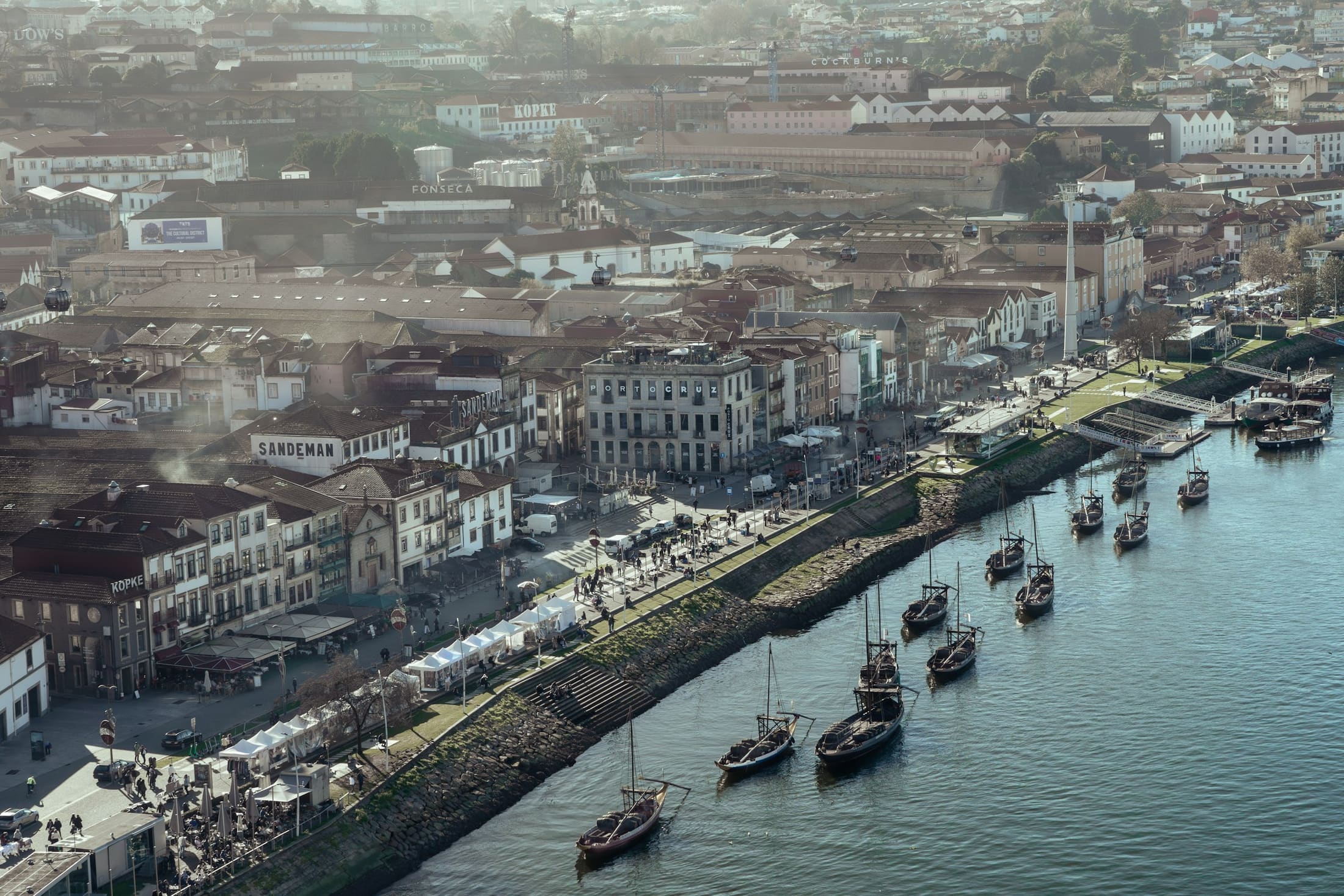
Porto · Gaia · Douro
Gentle summers (avg max 24.8°C), winters almost without frost, and a landscape green twelve months a year — from ocean beaches to the vineyards of the Douro Valley. Where Fortune Residence builds.
These are complementary, not competing: three different climate characters in one country. We work alongside colleagues across all of them, and we are glad to point you toward the region that fits — wherever that turns out to be.
The North in numbers
A year without extremes
The defining quality of the northern coast is stability. The Atlantic acts as a natural regulator, evening out both ends of the year, so the region rarely reaches an extreme in either direction — and stays green for twelve months.
| Indicator | Porto |
|---|---|
| Mean annual temperature | 15.3°C |
| Average August maximum | 24.8°C |
| Average January maximum | 14.0°C |
| Hot days per year (≥ 30°C) | 13 |
| Very hot days per year (≥ 35°C) | 1.7 |
| Tropical nights per year (min ≥ 20°C) | 4.9 |
| Frost days per year | 1.4 |
Mild in winter, gentle in summer. Cooler nights also mean better sleep, often with no need for air conditioning.
Outdoor living
A climate for the active
Mild temperatures and long, bright afternoons keep the outdoor season open twelve months a year.
-
Cyclists
Kilometres of paths along the ocean and the river — from Gaia’s beaches to Porto’s quaysides. Spring and autumn are especially kind: pleasant temperatures and fewer tourists.
-
Runners
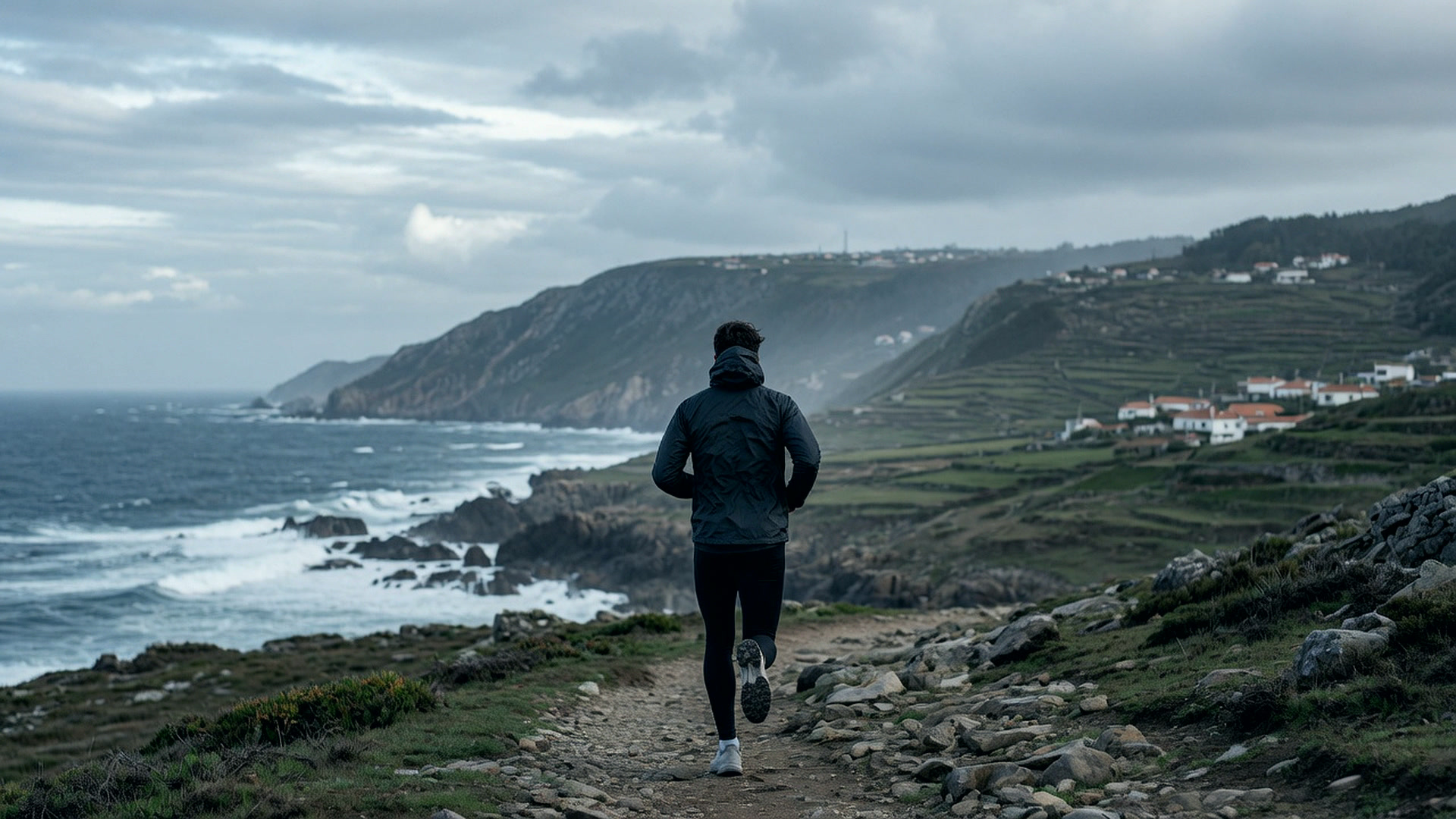
Coastal promenades and city parks allow year-round running — no freezing winters, no draining summer heat. The Porto Marathon is run in November, at around 15°C.
-
Surfers
Atlantic waves twelve months a year — from gentle beginner beaches to advanced breaks. Within an hour: Matosinhos, Espinho and Esposende.
-
Hikers
Wooden seaside passadiços, trails among the Douro Valley terraces, and the Peneda-Gerês National Park. Green routes for every weekend of the year.
Health and longevity
A climate that works for your health
The temperate, oceanic-Mediterranean climate of the northern coast is one of Europe’s most favourable environments for mature adults: high sunshine combined with the Atlantic’s natural thermal buffer — free of the weather extremes that strain the body.
- 4.9
- tropical nights a year
- 1.4
- frost days a year
- 0
- days of snow and ice
- 7th
- safest country in the world · GPI 2025
-
Summers without heatwaves
The Atlantic breeze and a cool ocean current keep temperatures rarely above 28–30°C — easing the overheating, dehydration and cardiovascular strain that hot summers can bring.
-
Winters without frost
Daytime typically around 14°C, with frost once or twice a year. The body is spared the winter thermal stress that drives the seasonal rise in cardiovascular complaints across Central Europe.
-
Sleep in cool nights
Just 4.9 nights a year stay above 20°C. Naturally cool nights mean deeper sleep and fuller recovery — no air conditioning required.
-
Movement without the risk of falling
No snow or ice at any point of the year means a markedly lower risk of falls and fractures — while the flat, well-lit promenades of Gaia and Matosinhos invite a daily walk 365 days a year.
-
Sunlight and vitamin D
Nearly 2,500 hours of sunshine a year, with the sun sitting about 11° higher than in Poland, allow effective vitamin D synthesis for far more of the year — supporting bones, muscle and immunity.
-
Light and mood
December’s 124 hours of sunshine and a sunset after five in the afternoon help maintain the circadian rhythm and ease the symptoms of seasonal depression — a particular risk for those who spend winter indoors.
-
Air off the ocean
Constant circulation of Atlantic air, and a winter without the Central European heating season, mean no smog — no build-up of PM2.5 and PM10 particulates. The marine aerosol is kind to the airways.
-
The Atlantic diet
The cuisine of the North — fresh fish, seafood, olive oil and vegetables — is a clinically studied dietary pattern: in the GALIAT trial it cut the risk of metabolic syndrome by 42%.
Combined with a culture of outdoor living and strong neighbourhood ties, the climate of the North replicates key mechanisms observed in the so-called Blue Zones.
This information is illustrative and is not a substitute for medical advice.
Resilience and safety
A region calm by nature
Northern Portugal shows strong resilience to climate change. The ocean stabilises temperatures year-round: heatwaves here are rare and short, droughts mild, and hurricanes and extreme frost practically unknown.
- Low seismic activity
- No hurricanes, tornadoes or extreme weather events
- Balanced rainfall spread across the year — no long droughts
- Stable temperatures without extremes — winter and summer
The next step
The full picture, month by month
Every figure on this page comes from our climate report — seventeen pages of month-by-month data for Porto, Gaia and the Douro, drawn from official climate normals.